
Risk Mitigation in Medical Practice: Protecting Your Patients and Yourself (October 2025)
Jan 14, 2026The APC Consultant Newsletter
Risk Mitigation in Medical Practice: Protecting Your Patients and Yourself
Welcome to The APC Consultant’s inaugural newsletter!
In today’s complex healthcare landscape, it’s more important than ever for medical
professionals to be proactive in mitigating risk. By focusing on patient safety and
communication, you can improve outcomes and protect yourself from malpractice
litigation.
This issue highlights key strategies for minimizing risk through thoughtful patient
interactions, documentation, clinical decision-making, financial asset protection,
disability protection, proper financial planning, and malpractice insurance protection.
🩺 Patient Interaction & Communication: Your First Line of Defense
Effective communication is essential to building trust and reducing risk:
- Be Professional: Your appearance and demeanor shape the patient’s perception of care.
- Introduce Yourself: Treat every patient as family—with courtesy, respect, and kindness.
- Acknowledge Wait Times: Simple apologies can de-escalate frustration.
- Show Empathy: Sit when you speak. Listen. A small touch on the shoulder conveys
care.
- Set Clear Expectations: Explain timelines, goals of the visit, and next steps.
⚖️ Common Allegations in Malpractice Lawsuits—and How to Avoid Them
What are the most common errors that occur:
-transitions in care (e.g., communication breakdowns)
-medication errors
-selection/management of therapy
-systems breakdowns (e.g., time to imaging, triage systems, in basket management)
-improper consent
-improper use of equipment
-policy and protocol issues
-failure to order the right diagnostic test
-failure to appreciate signs and symptoms and how it applies to the appropriate workup
✅ Take a Thorough History
- Review prior records & gather collateral info (EMR, staff, other providers).
- Document both positive and negative findings.
- Order and interpret appropriate diagnostics—don’t delay.
- Ask your SP to over-read results if needed.
✅ Follow Clinical Best Practices
- Consult your SP or collaborating physician regularly.
- Recognize when help is needed—then ask.
- Discuss medication risks clearly.
- Admit or refer to the ER as appropriate.
- Ensure timely follow-up.
- Don’t miss vital signs—especially pulse ox.
- Act promptly on abnormal vitals.
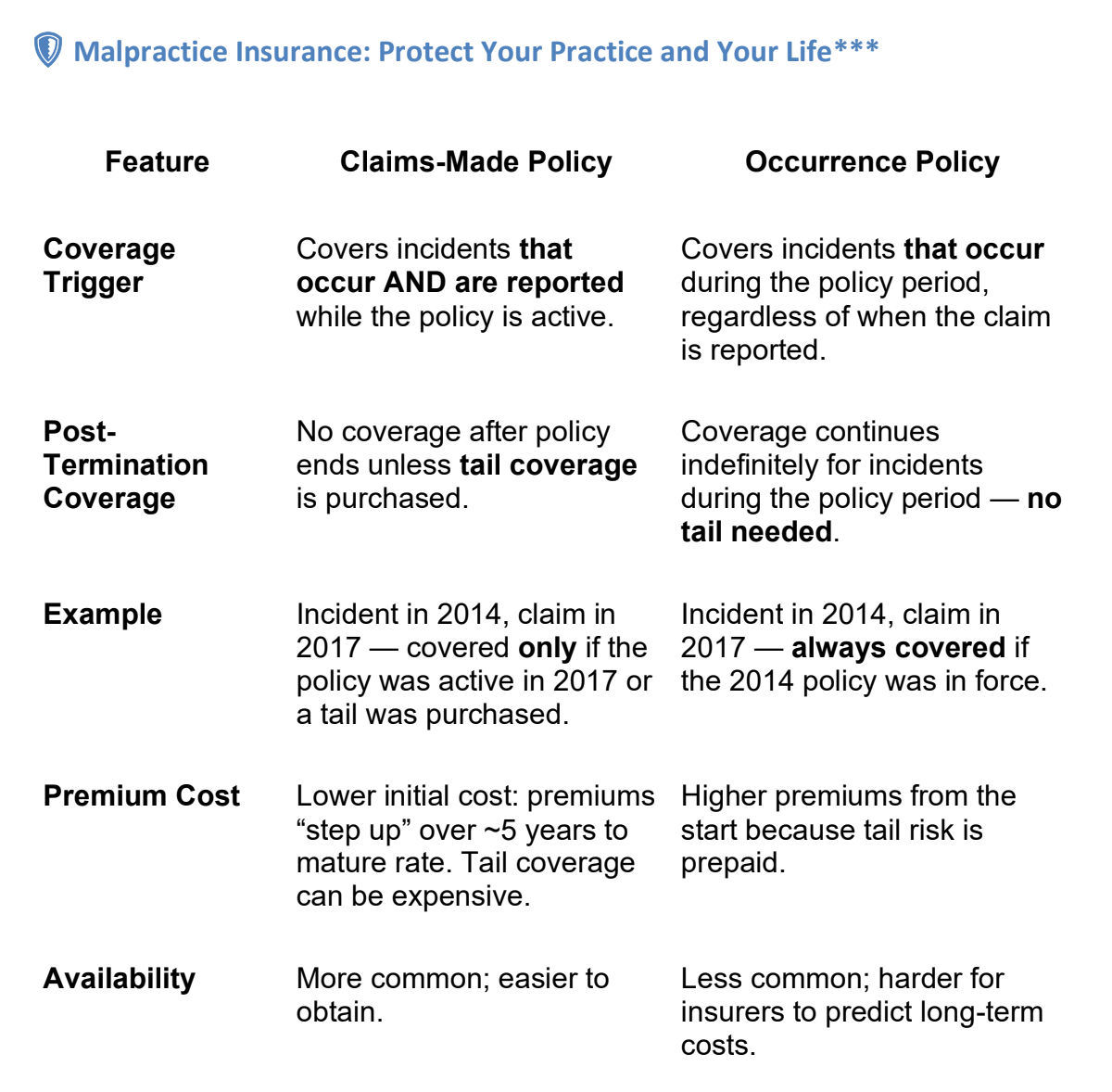
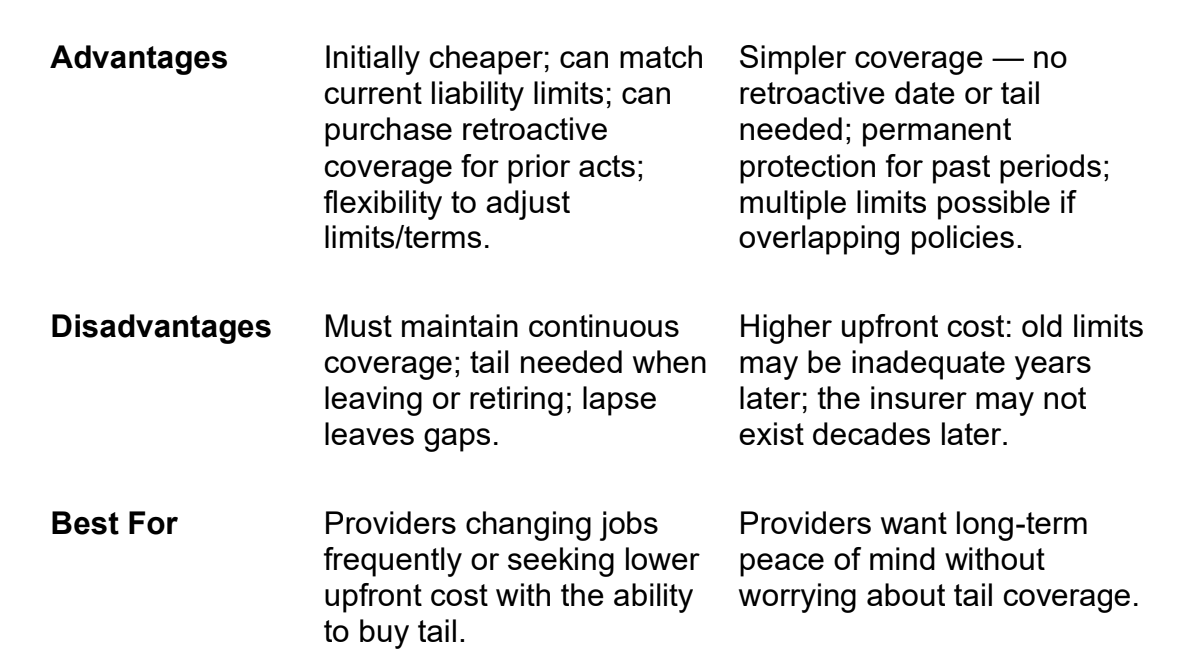
Even with clinical excellence, you need financial protection:
- Comprehensive Policy: Ensure your malpractice insurance includes a strong defense
component.
- Umbrella Coverage: Adds a layer of protection above your policy limits.
- Personal Umbrella: Safeguards personal assets like your home and savings.
Tip: Speak with a healthcare-specialized insurance advisor to assess your current
coverage.
💬 Final Thought from The APC Consultant
Always lead with respect, empathy, and professionalism—they’re your most powerful
tools in avoiding risk.
Thanks for joining our community of proactive, informed clinicians. Stay safe. Stay
sharp. Stay protected.
Warm regards,
The APC Consultant
Disclaimer: This newsletter is for educational purposes only. It is not legal or medical advice and does not define the standard of care for any provider type. Always consult legal or insurance professionals for individualized guidance.
Need Help with Risk Management, Education, or Medical Legal Consulting?
[email protected]
(339) 933-1952
LinkedIn: https://www.linkedin.com/in/christophercannell/